Start earning in healthcare within a year. A fast-track 1-year certificate to enter hospitals, clinics and home-care services quickly. Core bedside skills, vitals, hygiene, and first aid, with practical hospital visits, are perfect if you want a job early and to upgrade later.
Taught in Assamese, Hindi & English support · Notes + practical logbook included.
Hospitals · Labs · Clinics across Assam & N
Hospitals · Labs · Clinics across Assam & NE
Hospitals · Labs · Clinics across Assam & NE
Hospitals · Labs · Clinics across Assam & NE
Salary ranges are indicative entry-level ranges in Assam/Northeast private healthcare and vary by hospital, city and shift.
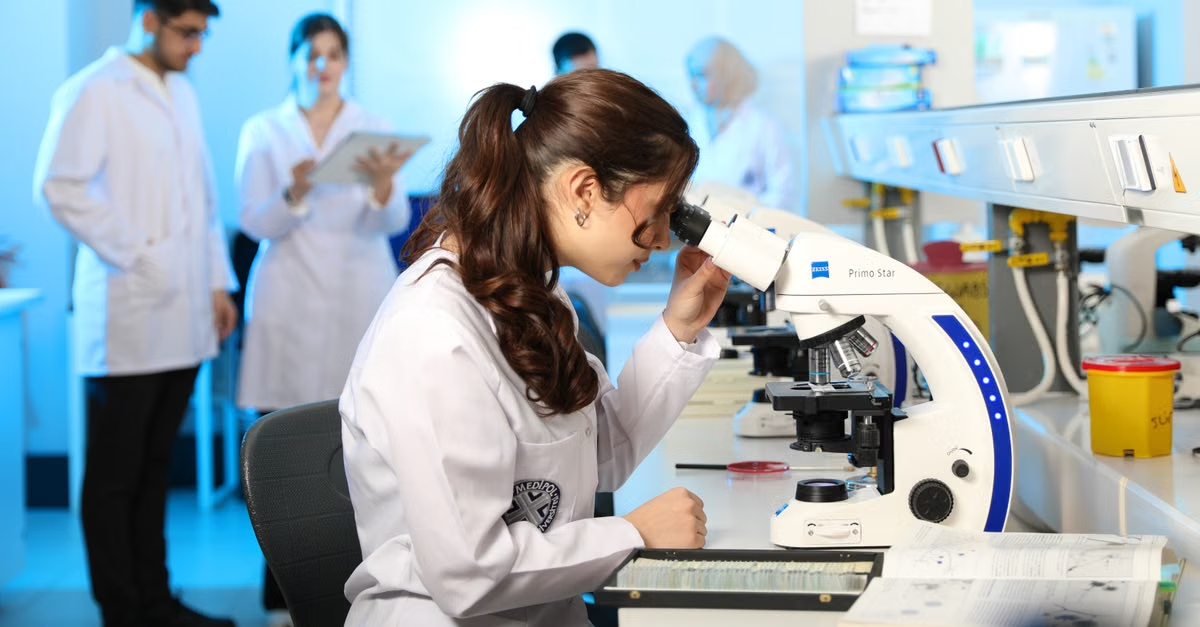
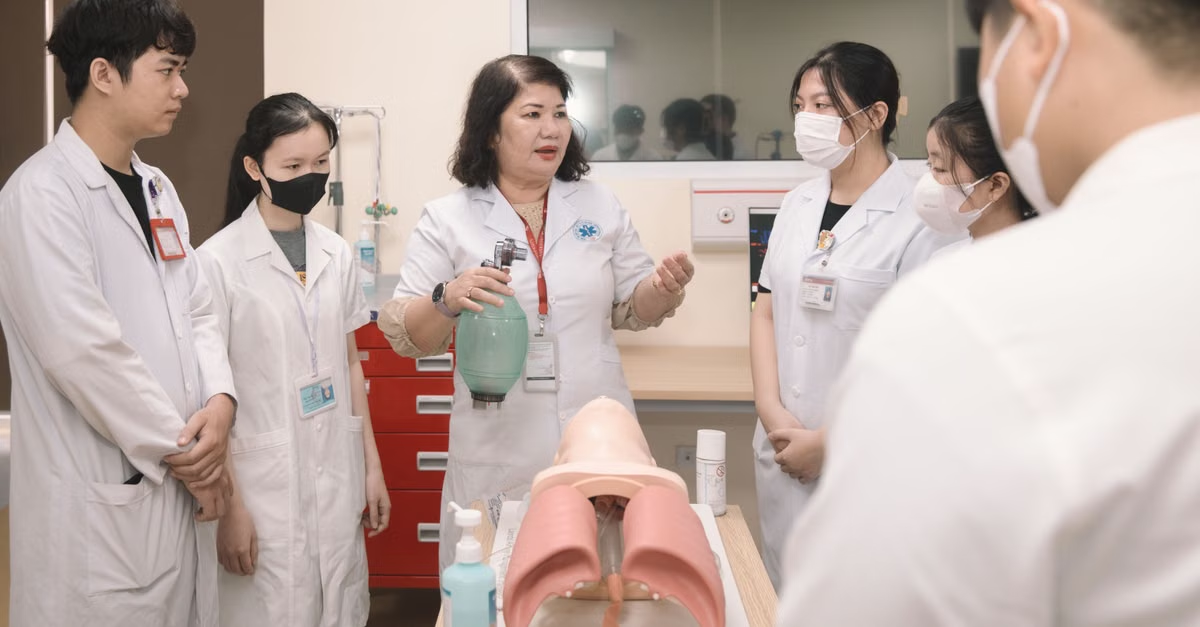
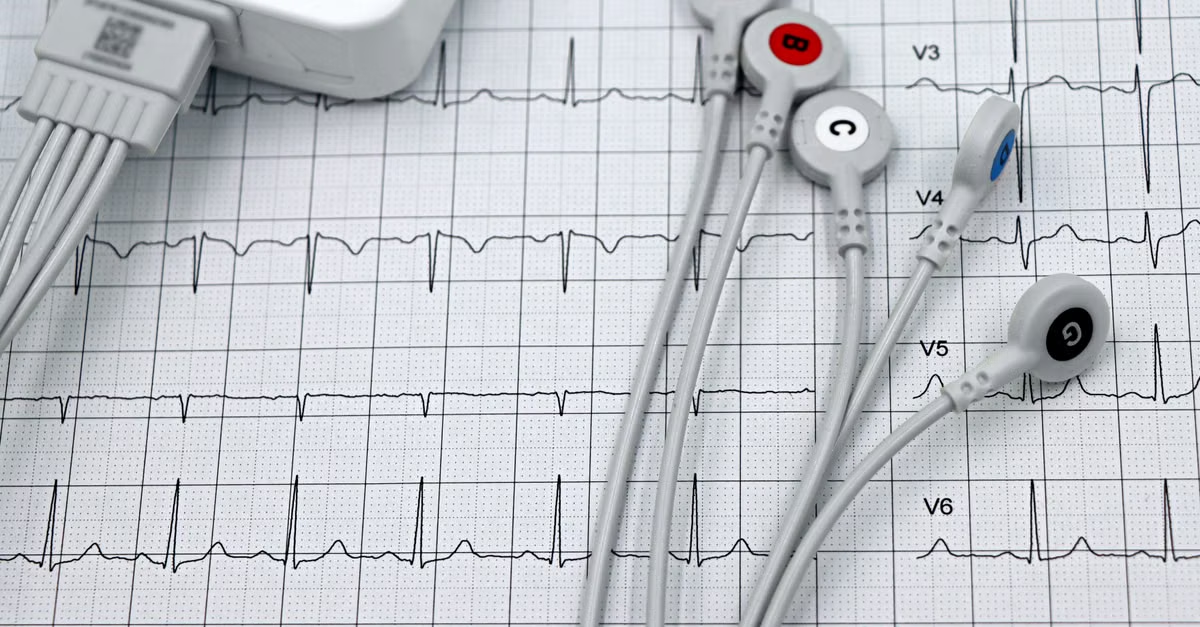
Practice on analysers, ECG machines, mannequins & phlebotomy stations with logbook tracking.
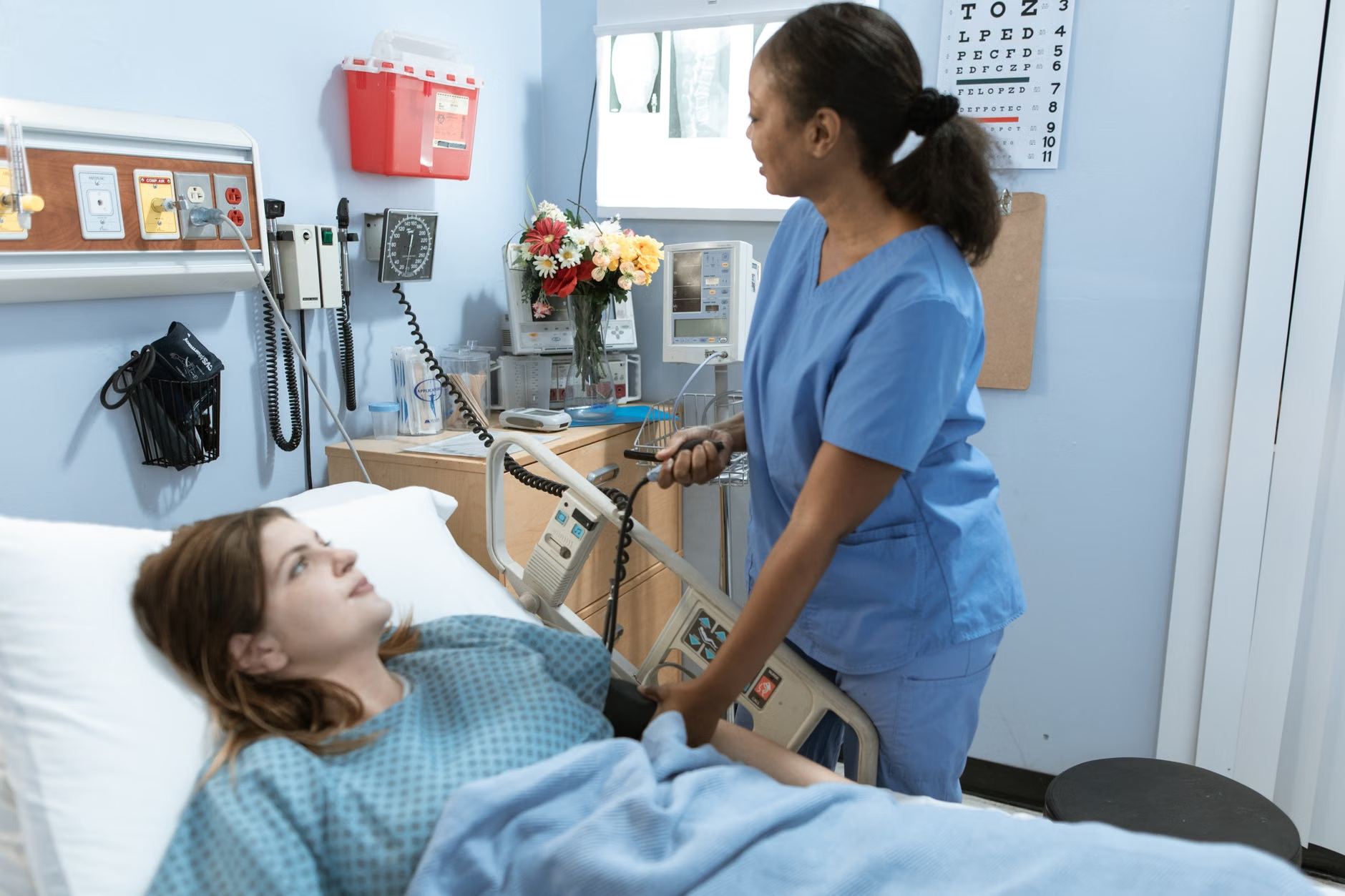
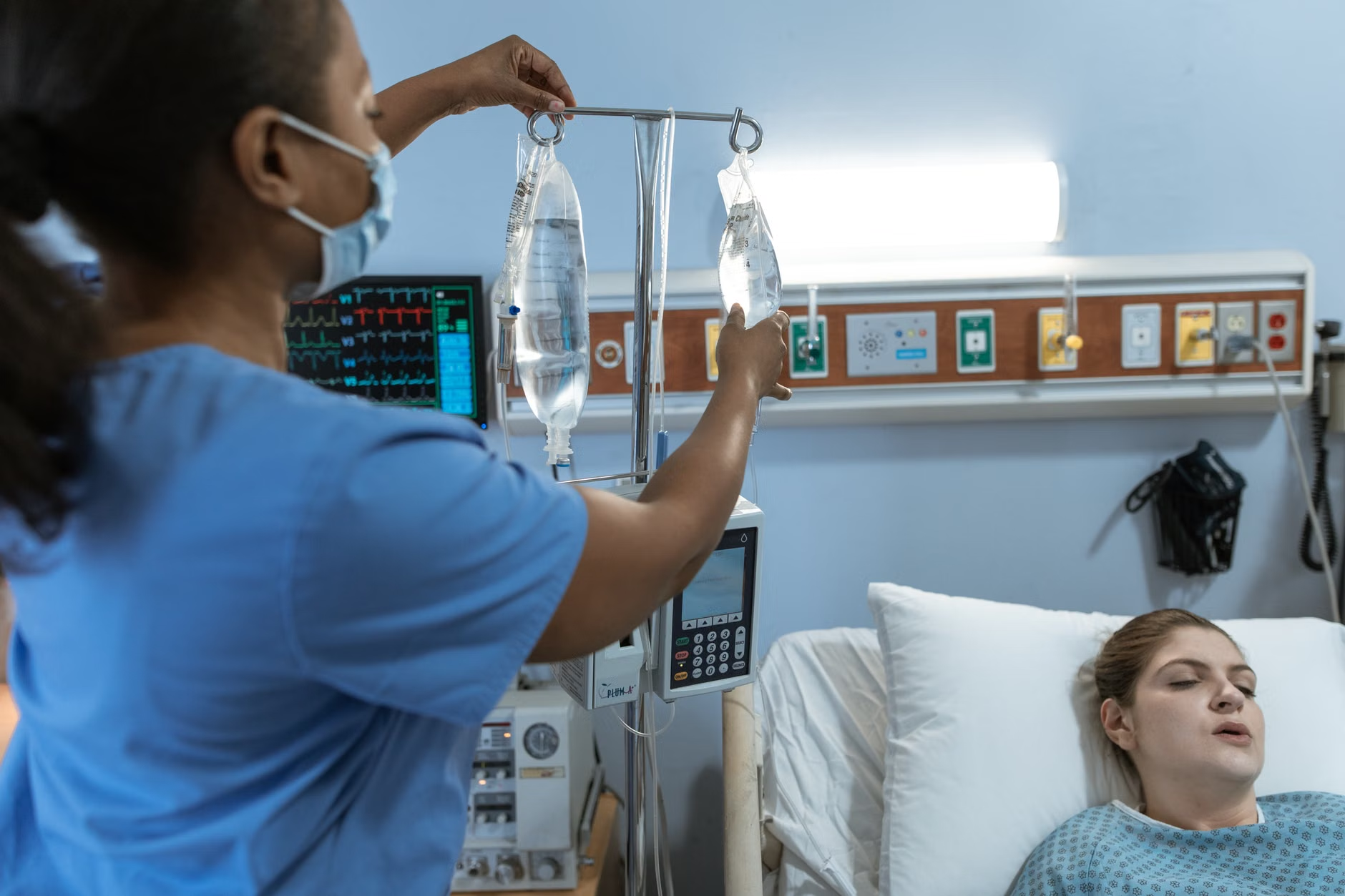
Rotations in accredited hospitals & diagnostic labs — ICU, dialysis, radiology & wards.
Resume, interview prep, hospital visits & referral support across Dibrugarh, Guwahati & beyond.
Practical rhythm: 10–20 hours/week of lab + hospital practice depending on semester, plus theory, demonstrations and internal assessments. Attendance in postings is mandatory for certification.
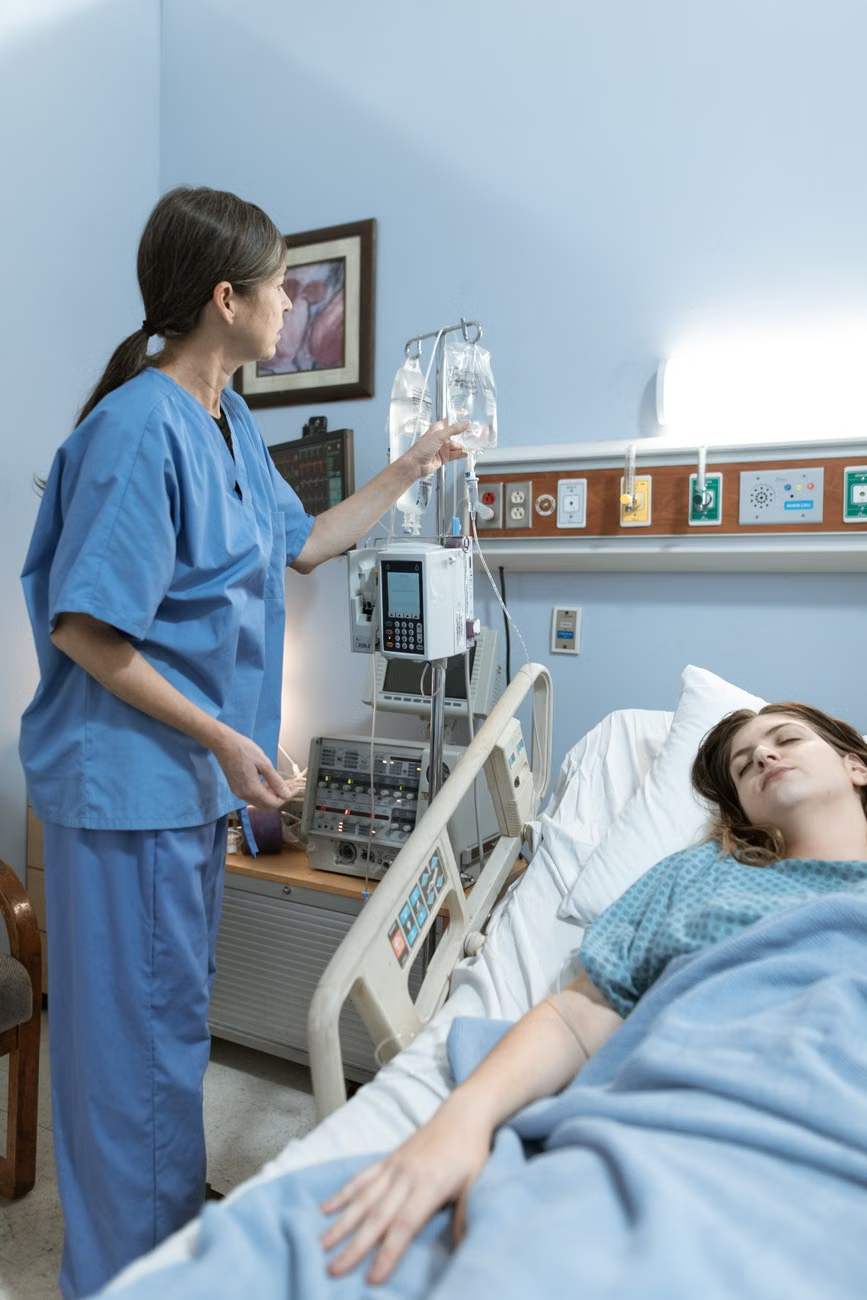
It is a paramedical course that trains you to run dialysis machines and care for patients during treatment. Dialysis cleans the blood when the kidneys can no longer do it. You learn theory, lab skills and hospital practice.
Yes, you can join after Class 12 if you studied Physics, Chemistry and Biology. Send your marksheet on WhatsApp for a quick check.
Our counsellor will confirm the exact duration and the next batch date when you enquire. The course includes classroom study, lab work and hospital practice.
Fees vary by programme, and most AIPS courses fall between ₹50,000 and ₹2,00,000. Ask our counsellor for the exact dialysis fee, instalment options and scholarships.
You study anatomy and physiology, kidney disease basics, hemodialysis, dialysis machines, infection control, patient monitoring, emergency care and communication. Ask for the full syllabus PDF.
Yes. You practise in the lab, keep a logbook and rotate through partner hospitals, including dialysis units. Attendance in postings is required.
You can work as a dialysis technician, dialysis assistant or patient care technician in hospitals, dialysis centres and kidney care units. Jobs depend on openings and your skills. We do not guarantee placement, but we help with resume, interview and referral support.
Message us on WhatsApp, share your Class 12 details, and our counsellor will confirm the batch, seats and fees. Then keep your Class 10 and 12 marksheets, Aadhaar and 4 photos ready.
FIRST YEAR
Total Fee For First Year - 51,400/-
SECOND YEAR
Total Fee For Second Year - 46,200/-
Hands-on Training Fee – 10,000/-
TOTAL FEE FOR ENTIRE COURSE (FIRST YEAR & SECOND YEAR) = 1,07,600/-
Are you looking for a Diploma in Dialysis Technology course in Graham Bazar, Assam, India, after completing Class 12? Assam Institute for Paramedical Studies (AIPS), located in Jalan Nagar, Graham Bazar, offers students an opportunity to explore a career in dialysis care and the healthcare sector.
The Diploma in Dialysis Technology is a paramedical programme focused on developing the knowledge and practical skills required to support dialysis treatment for patients with kidney problems. Students learn about dialysis machines, patient monitoring, infection control, kidney health, and clinical procedures through classroom teaching, laboratory practice, and supervised hospital training.
If you want to build a practical healthcare career in Graham Bazar or other parts of Assam, this course may be worth exploring.
The Diploma in Dialysis Technology is a healthcare training programme that prepares students to assist with dialysis procedures under the supervision of qualified healthcare professionals.
Healthy kidneys remove waste products and excess water from the blood. When the kidneys cannot perform these functions adequately, dialysis may be needed to help remove waste and excess fluid.
Hemodialysis is a common type of dialysis in which a machine and dialyzer filter the patient's blood. Dialysis technicians help prepare equipment, monitor treatment, follow infection-control procedures, maintain records, and support patient safety.
At AIPS Graham Bazar, prospective students can enquire about the course curriculum, practical training arrangements, eligibility, and admission requirements.
Graham Bazar is an important healthcare and educational centre in Upper Assam. Students interested in paramedical education can explore healthcare training options locally rather than immediately relocating to another city.
The Diploma in Dialysis Technology at AIPS offers an opportunity to investigate a specialised healthcare career involving dialysis procedures and patient support.
Key course features include:
Classroom teaching covering dialysis technology and related medical subjects.
Laboratory sessions for developing practical skills.
Supervised clinical training, subject to the institution's arrangements.
Practical records and a logbook to track learning progress.
Teaching support in Assamese, Hindi, and English.
Guidance on admission requirements and course fees.
Hostel information for students travelling to Graham Bazar from other towns.
Students should confirm the available equipment, clinical posting locations, internship arrangements, and course-specific facilities directly with AIPS before admission.
Students interested in pursuing a Diploma in Dialysis Technology after Class 12 should check the following eligibility requirements with AIPS.
Educational qualification: Class 12 passed.
Required subjects: Physics, Chemistry, and Biology (PCB), as specified in the supplied course information.
Academic verification: Students can share their marksheets with the admissions team to confirm eligibility.
Additional requirements: Any applicable age, medical fitness, or documentation requirements should be confirmed with the institution.
Students from Graham Bazar, Tinsukia, Sivasagar, Dhemaji, Lakhimpur, and other parts of Assam can enquire about the programme and its admission process.
Students can follow these steps to enquire about admission.
Contact the admissions team: Ask about the Diploma in Dialysis Technology course, fees, and available seats.
Share your academic details: Provide your Class 12 marksheet and information about your Physics, Chemistry, and Biology subjects.
Confirm the course details: Ask about the duration, batch date, total fee, and payment options.
Prepare your documents: Keep your Class 10 and Class 12 marksheets, Aadhaar card, and four passport-size photographs ready.
Complete admission: Follow the institution's application and payment process and obtain written admission confirmation.
Students should confirm the current admission schedule and eligibility before paying any fees.
The exact duration of the Diploma in Dialysis Technology at AIPS should be confirmed with the admissions team.
The supplied course information describes three main learning components:
Students study foundational subjects related to human anatomy, physiology, kidney function, dialysis, and patient care.
Students learn about dialysis equipment, machine preparation, monitoring procedures, infection control, and safe clinical practices, according to the available training facilities and syllabus.
Supervised clinical exposure helps students understand dialysis-unit procedures, patient monitoring, equipment handling, and communication with healthcare professionals.
Attendance at prescribed hospital postings is required for course completion. Students should ask AIPS about the clinical training schedule, internship arrangements, and certificate requirements.
The course fee depends on the programme and its current fee structure.
The general fee information supplied for AIPS courses indicates a range of approximately ₹50,000 to ₹2,00,000 across different programmes. This is not a confirmed fee for the Diploma in Dialysis Technology.
Contact AIPS directly to obtain the exact fee for this course.
Before enrolling, ask about:
The complete course fee.
Examination and registration charges.
Books, uniforms, and equipment costs.
Instalment or EMI options.
Any available scholarships and their eligibility conditions.
Hostel and food expenses, if applicable.
The refund and cancellation policy.
Request a written fee breakdown to understand the full cost of studying in Graham Bazar.
The course covers topics related to kidney health, dialysis procedures, equipment, and patient safety. The exact syllabus should be confirmed with the institution.
|
Subject |
What Students Learn |
|
Anatomy and physiology |
Human body systems, with particular attention to the kidneys |
|
Kidney disease basics |
Kidney dysfunction and the reasons dialysis may be required |
|
Hemodialysis |
Basic steps involved in preparing for and supporting dialysis treatment |
|
Dialysis machine and dialyzer |
Equipment functions, routine checks, and common alarms |
|
Water treatment |
The importance of appropriate water quality for dialysis |
|
Vascular access care |
Basic principles of access-site care and dressing precautions |
|
Peritoneal dialysis |
Introduction to an alternative dialysis method |
|
Patient monitoring |
Monitoring vital signs and reporting changes during treatment |
|
Infection control |
Hand hygiene, blood-handling precautions, and waste disposal |
|
Emergency care |
Basic life support concepts and escalation of emergencies |
|
Communication and ethics |
Respectful patient communication, confidentiality, and professional conduct |
Students can request the full syllabus PDF from AIPS to review the prescribed subjects, practical components, and assessment requirements before admission.
A Diploma in Dialysis Technology programme focuses on developing foundational technical and patient-care skills.
Depending on the approved curriculum and supervised training arrangements, students may learn to:
Prepare dialysis equipment according to prescribed procedures.
Perform routine equipment checks under supervision.
Monitor blood pressure and other vital signs during treatment.
Follow infection-prevention and control procedures.
Maintain accurate patient and treatment records.
Recognise warning signs and promptly report problems.
Communicate respectfully with patients and their families.
Work as part of a dialysis and healthcare team.
Clinical procedures must be performed within the student's training, authorised responsibilities, and supervision requirements.
Practical learning is an important part of dialysis technology education because the role involves specialised equipment and patient monitoring.
The course information supplied for AIPS describes laboratory practice, a practical logbook, and supervised exposure to clinical settings.
Before joining, students should ask the institute to confirm:
Which dialysis equipment is available for student practice.
Which hospitals or dialysis centres provide clinical postings.
How many practical hours are scheduled.
Whether an internship is included.
Which clinical departments students may visit.
What attendance and competency requirements apply.
Confirming these arrangements can help students understand the practical experience they will receive during the programme.
Before enrolling in a Diploma in Dialysis Technology course, it is important to understand the qualification and its acceptance by employers.
Ask AIPS to confirm the awarding body, official certificate name, study-centre code, and current authorisation details for this particular programme.
Students should also verify whether the qualification is accepted by the hospitals, employers, professional bodies, or further-study institutions relevant to their career plans.
Do not assume that every paramedical diploma automatically qualifies its holder for every dialysis technician position. Requirements can vary by employer, role, and applicable regulations.
Request written confirmation of the qualification details before paying the admission fee.
After completing an appropriate dialysis technology qualification, graduates may explore relevant entry-level opportunities in healthcare facilities, subject to employer requirements and applicable rules.
Potential workplaces include:
Hospital dialysis units.
Dialysis and kidney-care centres.
Nephrology departments.
Intensive care units, where relevant to the role and training.
Healthcare facilities providing dialysis services.
Possible job titles include:
Dialysis Technician
Dialysis Assistant
Patient Care Technician – Dialysis
Job responsibilities and eligibility criteria vary between employers. Some positions may require a specific recognised qualification, clinical experience, registration, or additional training.
With experience and further training, eligible professionals may be able to progress into senior technical or supervisory positions.
Salary depends on the employer, city, qualifications, experience, shift patterns, and responsibilities.
AIPS provides guidance related to résumé preparation, interview practice, hospital visits, and referral support. However, employment, placement, and salary are not guaranteed.
Students should review current job advertisements and confirm the qualification requirements for dialysis technician positions in Graham Bazar, Guwahati, and other locations.
This career may suit students who:
Are interested in medical technology and patient care.
Have studied Physics, Chemistry, and Biology.
Pay close attention to detail.
Can follow safety procedures carefully.
Are comfortable working with specialised medical equipment.
Can communicate respectfully with patients.
Are prepared for clinical environments and possible shift work.
Dialysis care requires careful monitoring, infection control, teamwork, and the ability to report problems promptly. Understanding these responsibilities before choosing the course can help you make an informed decision.
Assam Institute for Paramedical Studies (AIPS) is located in Graham Bazar, Assam, India. Students considering dialysis technology training can contact the institution to learn about the programme and its current arrangements.
When enquiring, ask about:
Eligibility and required subjects.
Course duration and syllabus.
Total fees and instalment options.
Laboratory facilities and equipment.
Hospital training and internship arrangements.
Certificate-awarding body and recognition.
Career guidance and further-study options.
Hostel availability for outstation students.
These details will help you compare the course with your educational and career goals.
If you are looking for a Diploma in Dialysis Technology course in Graham Bazar, Assam, India, contact Assam Institute for Paramedical Studies to ask about current admission requirements, course fees, training facilities, and the next batch.
The admissions team can guide you through the enquiry process and explain which documents you need to submit.
Institute: Assam Institute for Paramedical Studies (AIPS)
Address: Jalan Nagar, near AMCH Gate, Graham Bazar, Assam, India
Course: Diploma in Dialysis Technology
Eligibility: Class 12 with Physics, Chemistry, and Biology, subject to confirmation
Contact email: micropathlab.hr@gmail.com
Contact the institute directly for the official syllabus, current fee structure, course duration, admission dates, and qualification-recognition details.
Our counsellors usually reply within a few business hours.
Fill in your details and our team will call you back.
Fill your details below to start chatting.
Fill your details below, then call us.